AI tools can polish a CV in seconds and turn out flawless cover letters by the dozen. Hiring teams now face a flood of applications that all look perfect and all sound alike. When every application is that polished, standing out on paper gets very hard. So recruiters care more than ever about the real person behind the document. That holds for nearly every industry, and for tech most of all. How do you get a door to open at a tech company?
the problem with perfect applications.
The numbers match what recruiters describe. In a Statista survey from January 2026, cover letters were the most common use of AI among applicants (51 per cent), followed by CVs (39 per cent). On the hiring side, a Robert Half survey of 500 UK hiring managers in June 2026 found that 67 per cent say the surge in AI-generated applications has made hiring take longer. More than a quarter named telling an AI-written CV from an authentic one as a problem of its own.
When the paper no longer tells people apart, something else has to.
what happened at network effect.
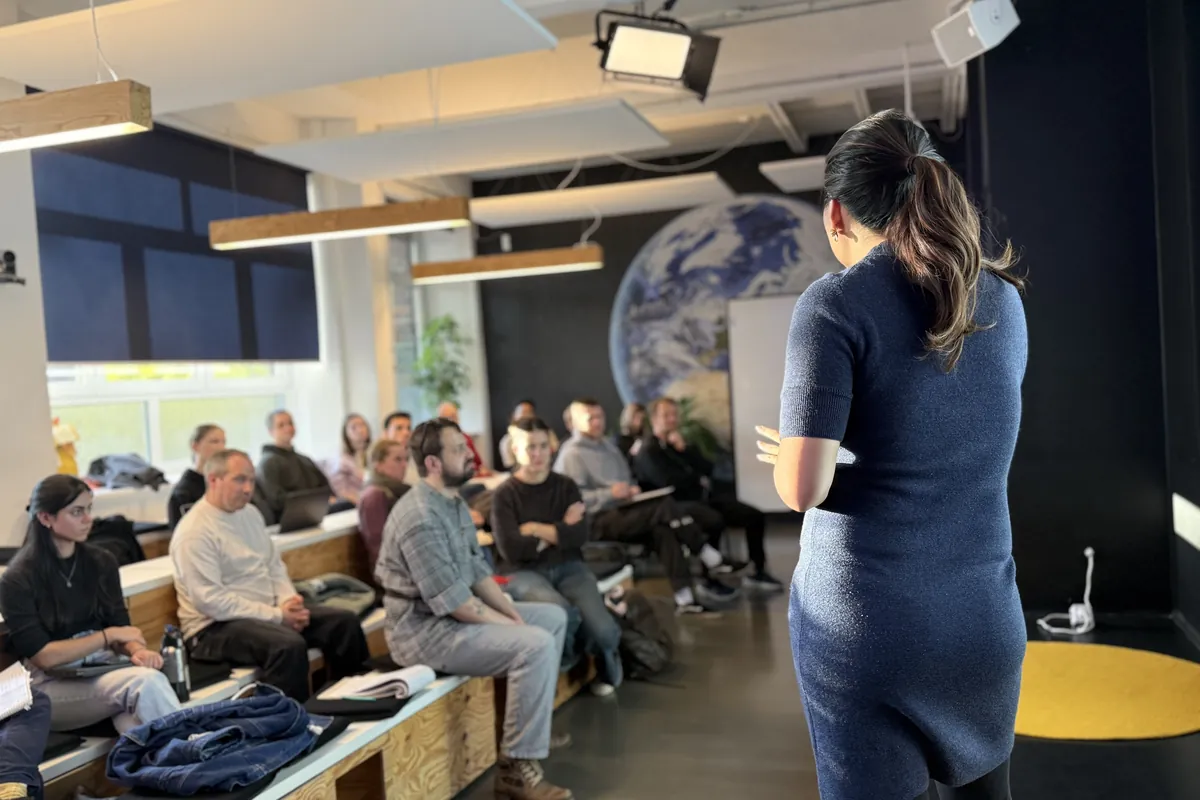
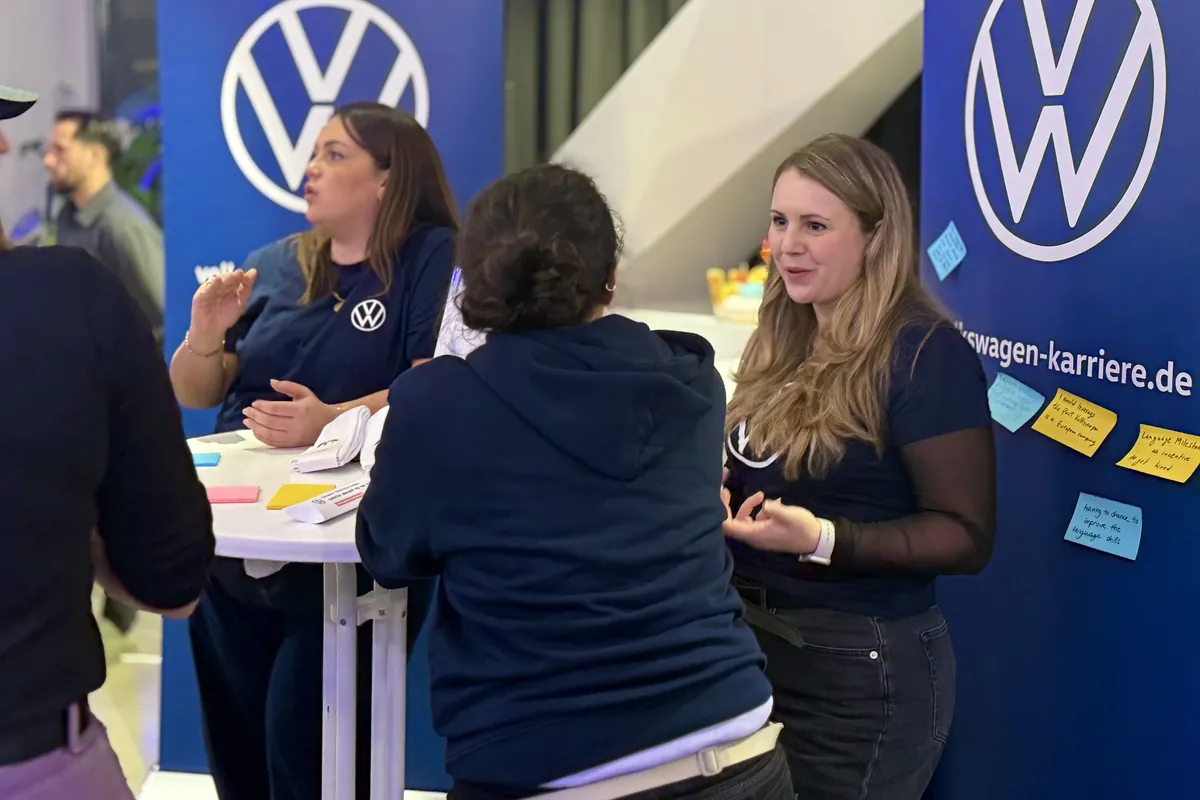
That question was the focus of Network Effect, our career event at 42 Berlin on 4 November 2026. Ten sessions ran in parallel. Our students used the chance to talk directly with recruiting teams and HR professionals from companies such as Volkswagen, SAP, Sopra Steria and Bayer.
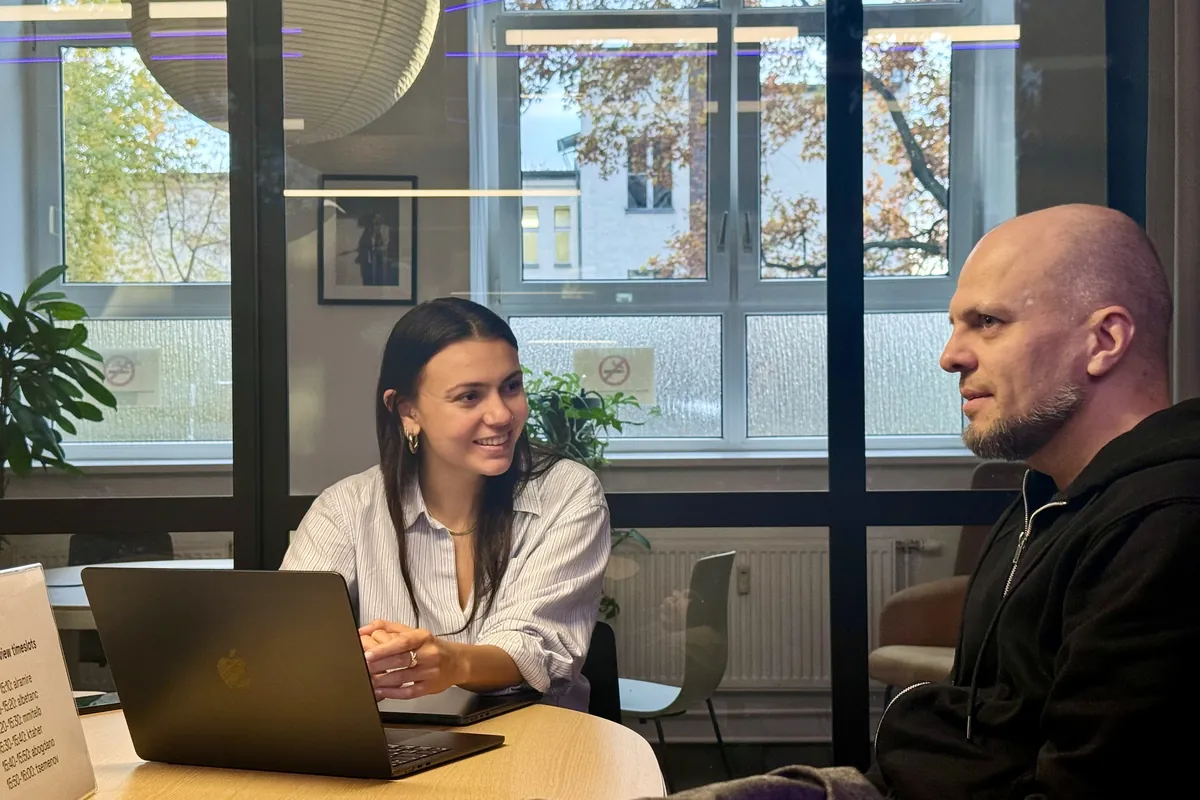
SAP offered one-to-one CV reviews. Bayer gave an inside view of its GenAI internships. Volkswagen ran a workshop called “Read Like a Recruiter”. Across all of them one thing became clear: personal effort, targeted networking and real engagement make the decisive difference in practice.
five things our students took away.
1. show authenticity and personality.
In a conversation, your motivation, enthusiasm and personality come across. Those are the qualities that tend to get lost in standardised, AI-written documents. A cover letter can say you are curious. A conversation lets the other person see it.
2. get insider insights first hand.
Talk to HR teams directly and you learn which criteria and small details really tip a decision. No job advert spells those out.
3. ask for individual feedback.
Direct contact gets you concrete feedback on your CV and on how you present yourself. You can then shape your documents around what hiring teams look for in practice.
4. build a genuine network.
Personal contact builds lasting trust, and now and then it opens a door to the hidden job market: roles that are filled without ever being advertised. In a competitive field that matters. Germany's Institute for Employment Research (IAB) has measured it. In its employer survey for 2016, 32 per cent of all new hires came about through personal contacts. We doubt the cover letter has gained ground since.
5. win internal advocates.
A strong first impression stays with a recruiter. Someone who has met you can speak up for you inside the company and recommend you for a role.
why we keep doing this.
Our Partnerships & Careers Team regularly organises formats such as Network Effect and the Employability Day on the 42 Wolfsburg campus in spring. Students meet companies, recruiters and alumni, and take home practical insight for their own career path.
The recruiters get something out of it too. They see at close range what kind of talent and future software engineers 42 trains.
By all means let AI tidy up your CV. Just don't send it to the conversation in your place. To see where 42 can lead, read about Ahsan's internship at New Yorker. The next dates are on our events page. Not a student yet? The Piscine is where it starts.
42 Wolfsburg